
How Is Binance Exchange in 2024? A Comprehensive Review of Features, Security, and Trading Experience
When it comes to cryptocurrency trading platforms, few names carry as much weight as Binance. But the question many new and seasoned traders still ask is: How is Binance Exchange really? Is it still the go-to platform for digital asset trading, or have recent market events and regulatory shifts changed its standing? This review breaks down the key aspects of Binance to help you decide if it fits your trading needs.
First and foremost, Binance remains the largest cryptocurrency exchange by trading volume globally. It offers an extensive range of digital assets—often exceeding 350 coins and tokens—which is far more than most competitors. For traders looking to access rare altcoins or emerging blockchain projects, Binance’s listing speed and selection are hard to beat. The platform supports multiple trading pairs, including spot, margin, futures, and options, giving users flexibility in how they execute strategies.
Liquidity is another strong point. High liquidity means users can place large orders without significantly affecting the market price. This is crucial for both retail and institutional traders. Binance’s order book depth consistently ranks among the best, allowing for smoother transactions and tighter spreads compared to smaller exchanges.
Security has always been a hot topic for any crypto platform. Binance has implemented several layers of protection, including two-factor authentication (2FA), withdrawal whitelist, and a Secure Asset Fund for Users (SAFU) that covers losses in extreme cases. However, the exchange has faced regulatory scrutiny in multiple countries, leading to restrictions in certain jurisdictions. Users outside restricted regions can still access the platform via Binance’s global website or through Binance.US for American clients. It is essential to check local laws before signing up, as compliance varies by location.
Fees are another area where Binance shines. The platform uses a tiered fee structure, with base trading fees starting at 0.1% for both makers and takers. Using Binance Coin (BNB) to pay fees reduces this by 25%, making it one of the cheapest options in the market. The fee schedule scales down further for users with higher trading volumes, which benefits active traders significantly.
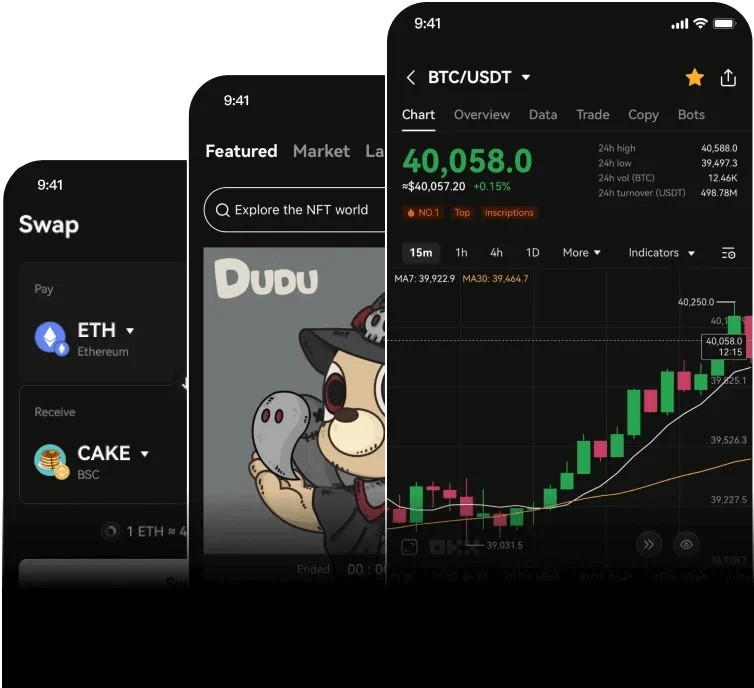
The user experience has improved over time. The interface can be overwhelming for beginners due to the sheer number of features and tools, but Binance offers a "Lite" mode that simplifies navigation. Advanced traders will appreciate the charting tools, API integration, and platform responsiveness. The mobile app is robust and mirrors desktop functionality, allowing trading on the go.
Customer support remains a mixed point. While Binance offers 24/7 live chat and a detailed knowledge base, response times can be slow during high-traffic periods. Some users have reported delays in resolving account or withdrawal issues. For high-value accounts, Binance provides dedicated account managers, but for average users, patience may be required.
Beyond trading, Binance has built a vast ecosystem. This includes Binance Launchpad for new token sales, Binance Earn for staking and savings products, a decentralized exchange (DEX), and the Binance Smart Chain (BSC) network. These additional services create a one-stop-shop experience, but they also mean users should be cautious not to spread their funds or activities too thinly without understanding the risks.
In conclusion, Binance Exchange offers unmatched asset variety, high liquidity, and competitive fees, making it a powerful tool for most cryptocurrency traders. However, regulatory uncertainties and occasional support delays are factors to keep in mind. For users in permitted regions who prioritize features and low costs, Binance remains a top-tier choice. As always, start with a small amount to test the waters and ensure the platform aligns with your trading style and security expectations.

发表评论